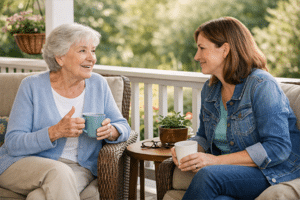
No two people experience dementia in exactly the same way. While memory loss is often the most recognized symptom, dementia can also affect communication, judgment, daily routines, emotions, and the ability to perform everyday tasks. Because every individual’s needs, abilities, and life experiences are different, effective memory care begins with a personalized approach.
Personalized dementia care focuses on understanding each resident as a unique individual rather than simply responding to a diagnosis. By tailoring care to personal preferences, routines, and changing needs, caregivers can create an environment that promotes comfort, dignity, and meaningful engagement throughout every stage of the journey.
What Is Personalized Dementia Care?
Personalized dementia care is an approach that adapts care to each resident’s individual needs, abilities, personality, and preferences.
Rather than following the same routine for everyone, caregivers take time to understand important details such as:
- Personal history
- Daily routines
- Interests and hobbies
- Communication preferences
- Cultural or religious traditions
- Favorite activities
- Current abilities and support needs
This information helps caregivers provide support in ways that feel more familiar and comfortable for each resident.
Why Individualized Care Matters
As dementia progresses, a person’s needs often change over time. What works well today may need to be adjusted in the future.
Individualized care allows caregivers to respond to those changes while continuing to encourage independence whenever possible.
Personalized support may also help reduce frustration by creating routines and interactions that reflect the resident’s preferences rather than expecting everyone to adapt to the same approach.
The goal is to help each person experience the highest possible quality of life while receiving appropriate care.
Building Meaningful Relationships
One of the most important aspects of personalized dementia care is developing trust.
When caregivers consistently spend time with residents, they become more familiar with their personalities, routines, and communication styles. They may also recognize subtle changes in behavior, mood, or daily functioning that deserve additional attention.
For residents, seeing familiar caregivers each day can provide reassurance and help create a greater sense of comfort within the community.
These relationships become an important part of delivering compassionate, person-centered care.
Activities That Reflect Individual Interests
Meaningful engagement looks different for every person.
Some residents enjoy music or art, while others prefer gardening, puzzles, reading, or quiet conversations.
Personalized dementia care encourages activities that reflect each individual’s interests and abilities rather than expecting everyone to participate in the same programs.
The purpose of these activities is not simply to occupy time but to encourage connection, enjoyment, and participation in everyday life.
Supporting Families as Partners in Care
Families play an important role in helping caregivers understand a resident’s life story.
Information about lifelong routines, favorite hobbies, career experiences, family traditions, and personal preferences helps caregivers create care that feels more familiar and meaningful.
Ongoing communication also allows families to stay informed about changes in care, ask questions, and remain actively involved throughout their loved one’s journey.
Working together helps create continuity between a resident’s past experiences and their daily life within the community.
Adapting as Needs Change
Dementia is a progressive condition, which means care needs often evolve over time.
Personalized care plans are regularly reviewed and adjusted to reflect changes in health, communication, mobility, and daily functioning.
This flexibility allows caregivers to continue providing appropriate support while respecting each resident’s dignity and remaining abilities.
The emphasis remains on meeting residents where they are today while adapting thoughtfully as circumstances change.
Creating a Comfortable Environment
The physical environment also plays an important role in personalized dementia care.
Communities often strive to create spaces that feel calm, familiar, and easy to navigate. Consistent routines, thoughtfully designed living areas, and compassionate caregiver interactions all contribute to an environment that supports comfort and reduces unnecessary stress.
While every individual experiences dementia differently, a welcoming environment can help residents feel more secure as they go about their daily routines.
Questions Families Often Ask
Will My Loved One Receive an Individualized Care Plan?
Many memory care communities develop personalized care plans based on each resident’s health needs, personal preferences, and daily routines. Families should ask how those plans are created, reviewed, and updated over time.
Can Families Continue to Be Involved?
Yes. Families are often encouraged to remain involved through regular communication, care planning discussions, and visits. Their insights help caregivers better understand each resident’s unique background and preferences.
Does Personalized Care Change as Dementia Progresses?
Yes. As a resident’s needs evolve, caregivers typically review and adjust care plans to ensure support continues to reflect the individual’s current abilities and overall well-being.
Compassionate Care Centered on the Individual
Every person living with dementia deserves care that recognizes their individuality, preserves their dignity, and supports their quality of life. Personalized dementia care allows caregivers to move beyond a diagnosis by building meaningful relationships, adapting to changing needs, and creating opportunities for comfort, engagement, and connection.
For families in Denison and the surrounding communities, understanding the value of personalized dementia care can make it easier to evaluate memory care options with confidence. Asking how a community develops individualized care plans and supports meaningful relationships can provide valuable insight into its overall philosophy of care.
At Homestead of Denison, we believe exceptional memory care begins with getting to know the individual. Through personalized care plans, compassionate caregivers, and a supportive environment, we strive to help every resident feel respected, comfortable, and engaged while supporting the families who walk alongside them.
To learn more, contact us today!